Introduction
The Gift of Gourmet Coffee
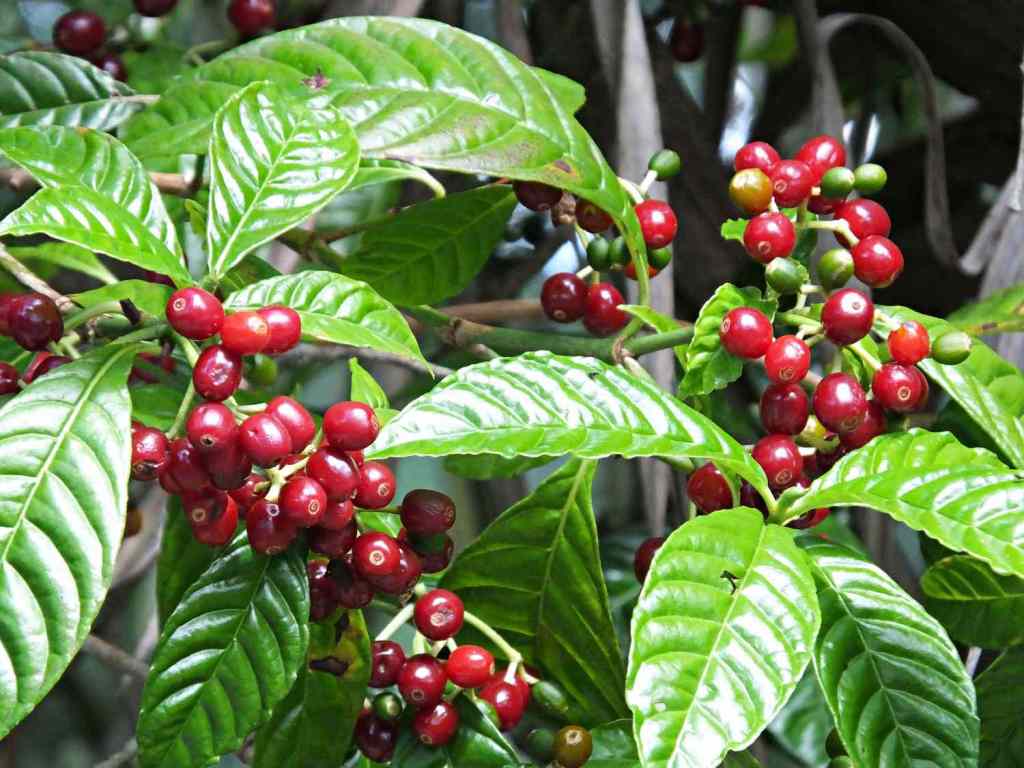
Coffea arabica, commonly known as Arabica coffee, is a beloved and globally renowned coffee species responsible for some of the world’s finest and most sought-after coffee beans. Originating from the highlands of Ethiopia, this plant has had a profound impact on cultures, economies, and coffee connoisseurs everywhere. Let’s explore the captivating world of Coffea arabica and the magic it brings to your cup.
1. Exceptional Flavor:
Arabica coffee is celebrated for its exceptional flavor profile, often characterized as smooth, mild, and aromatic. Coffee enthusiasts appreciate its nuanced taste with hints of fruit, floral, and nutty undertones.
2. Ideal Growing Conditions:
This coffee species thrives in high-altitude regions with well-defined seasons, where the beans mature slowly, resulting in their distinctive flavor. These ideal conditions contribute to the renowned coffee from places like Ethiopia, Colombia, and Ethiopia.
3. Lower Caffeine Content:
Arabica beans contain less caffeine compared to their counterpart, Coffea canephora (Robusta coffee), making them a preferred choice for those who prefer a milder caffeine experience.
4. Cultural Significance:
Arabica coffee has deep cultural roots in coffee-growing regions, often playing a central role in ceremonies, traditions, and daily life.
5. Economic Impact:
The cultivation and export of Arabica coffee are vital to the economies of many countries, providing income to millions of people across the globe.
6. Shade-Tolerant:
Arabica plants are naturally adapted to grow under the canopy of trees, promoting biodiversity and sustainability in coffee farms when cultivated in shade.
7. Boutique Varietals:
Arabica coffee has a diverse array of cultivars, each with its unique flavor characteristics. This diversity allows for the production of boutique, single-origin, and specialty coffees.
8. Environmental Conservation:
Shade-grown Arabica coffee contributes to environmental conservation by preserving habitats and promoting sustainable farming practices.
9. Complex Terroir:
The concept of “terroir” is vital in the world of Arabica coffee, with distinct growing regions imparting unique flavor notes to the beans, a bit like wine regions.
10. Coffee Culture:
Arabica coffee has significantly shaped global coffee culture. From the traditional coffee houses of the Middle East to the specialty coffee shops of today, it has made a lasting mark.
In conclusion, Coffea arabica, the Arabica coffee plant, is a source of delight for coffee enthusiasts and a cornerstone of global coffee culture. Its exceptional flavor, cultural significance, and economic importance make it an essential ingredient in the daily lives of millions. As you savor your next cup of Arabica coffee, remember the rich history, diverse flavors, and profound impact this remarkable species has on your daily caffeine ritual.
 K.S.S College Subrahmanya